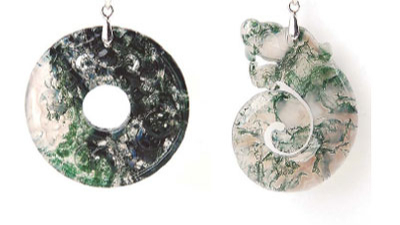
Fuxin Agate Carving
Introduction
Fuxin agate carving is an exquisite form of traditional Chinese craftsmanship that has been practiced for centuries. It involves the intricate carving and sculpting of agate, a semi-precious gemstone known for its vibrant colors and unique patterns. This art form is renowned for its delicate designs and the skill required to create them, making it a highly valued aspect of Chinese cultural heritage. Fuxin, a city in Liaoning province, China, has long been recognized as a significant center for agate carving, where artisans have honed their skills over generations. The craft is appreciated not only for its aesthetic appeal but also for the cultural and historical stories it embodies through each piece.
History
The history of agate carving in Fuxin dates back to ancient times, with archaeological evidence suggesting that this region has been a hub for agate craftsmanship for several thousand years. The craft flourished during the Tang Dynasty (618-907), a period known for its artistic and cultural prosperity. Agate carvings from Fuxin were highly prized by the aristocracy, often used as decorative items and ceremonial objects. The trade of agate carvings played a role in cultural exchanges along the Silk Road, where Chinese artisans shared their skills with craftsmen from Central and West Asia. This exchange led to the integration of diverse artistic techniques, enriching the repertoire of Fuxin agate carving.
Craftsmanship
Techniques
The techniques involved in Fuxin agate carving are intricate and require a high level of skill and precision. Artisans begin by selecting raw agate stones, carefully examining their natural patterns and colors to determine the best design approach. The carving process involves both rough and fine stages, using specialized tools to gradually reveal the intricate details of the design. Techniques such as relief carving, intaglio, and high relief are commonly employed, each requiring a nuanced understanding of the stone's properties. The process is meticulous, with artisans often spending weeks or even months on a single piece to ensure the highest quality.
Tools and Materials
Traditional tools and materials play a crucial role in agate carving. Carvers use a variety of hand-held implements, including chisels, files, and drills, each tailored for specific functions in the carving process. Modern artisans may also use mechanized tools to aid in precision work. The primary material, agate, is sourced from local mines in and around Fuxin. Its hardness and range of colors make it an ideal medium for carving, allowing for detailed and durable creations. Supplementary materials such as polishing compounds and protective waxes are used to enhance the final appearance of the carvings.
Cultural Significance
Fuxin agate carving is not merely a craft; it is a reflection of Chinese cultural identity and heritage. The carvings often depict motifs from traditional Chinese mythology, folklore, and symbolism, such as dragons, phoenixes, and lotus flowers, each carrying its own meaning and significance. These motifs serve as a bridge between the past and present, preserving cultural narratives for future generations. The art form also plays a role in cultural rituals and celebrations, with agate carvings being used in ceremonies and as valuable gifts. As a cultural emblem, Fuxin agate carving represents the ingenuity and creativity of the Chinese people.
Conservation and Challenges
The conservation of Fuxin agate carving faces several challenges, including the depletion of local agate resources and the influence of modern technology on traditional methods. Efforts to address these issues involve sustainable mining practices, the exploration of new materials, and the integration of technology in a way that complements rather than replaces traditional skills. Additionally, there is a need to preserve the intangible cultural heritage associated with agate carving, such as the knowledge of motifs and techniques passed down through generations. Educational programs and government support are crucial in overcoming these challenges and ensuring the continuity of the craft.








